


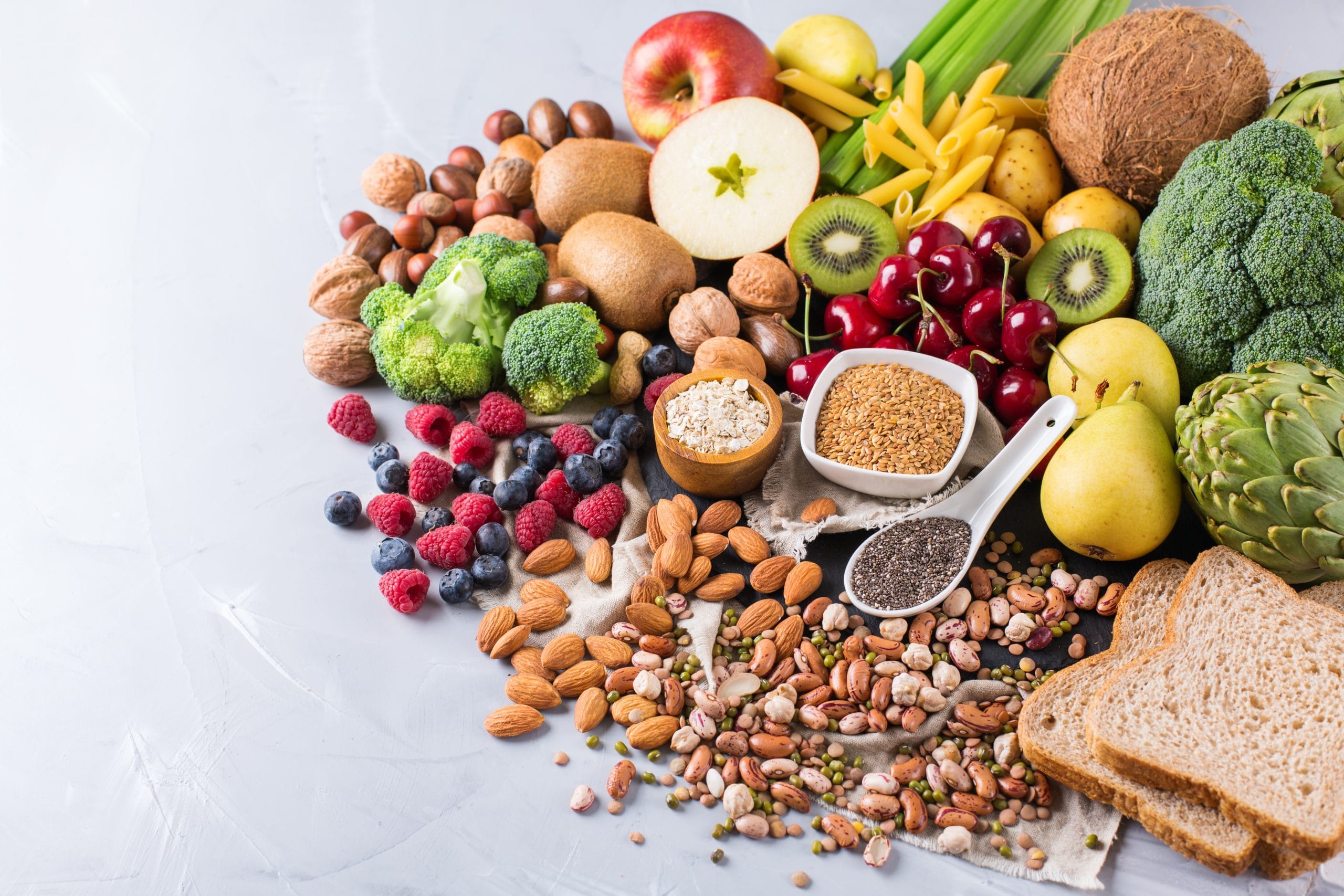
II. Diet and Nutrition
1. Dietary Fiber Intake
a) Why Fiber Matters?
Feed your microbes, not just your stomach! This is where we start.
Dietary fiber is one of the most crucial nutrients for gut microbiota health. Unlike proteins, fats, and simple carbohydrates, fiber cannot be digested by human enzymes. Instead, it travels relatively intact through the stomach and small intestine until it reaches the large intestine, where trillions of gut bacteria take over. There, fiber is fermented into short-chain fatty acids (SCFAs) such as butyrate, acetate, and propionate. These molecules serve as energy sources for colon cells, regulate immunity, strengthen the gut lining, and send signals that reach far beyond the intestine. Through these metabolites, dietary fiber plays a central role in reducing inflammation, improving metabolic health, and supporting communication between the gut and the brain.[7]
Not all fibers are the same. Soluble fiber, found in foods such as oats, legumes, flaxseeds, and citrus fruits, dissolves in water and forms a gel-like substance. This slows digestion, helps stabilize blood sugar, and lowers cholesterol. Most importantly, soluble fiber is highly fermentable by gut bacteria, which means it directly fuels beneficial species like Bifidobacterium and Lactobacillus. Insoluble fiber, by contrast, is found in whole grains, vegetables, and nuts. It does not dissolve in water and is only minimally fermented, but it provides bulk to the stool and speeds intestinal transit. While insoluble fiber contributes less to SCFA production, it creates structure within the gut environment, giving bacteria physical surfaces to attach to and ensuring regular elimination. Both types are essential, and balance between them is key.
Beyond these two broad categories, there are specialized fibers with unique properties. Resistant starch, for example, escapes digestion in the small intestine and is instead broken down in the colon. It is present in cooked-and-cooled potatoes, rice, oats, and in foods like green bananas and legumes. Resistant starch is especially powerful in feeding bacteria such as Faecalibacterium prausnitzii and Ruminococcus bromii, which are major producers of butyrate. This explains why resistant starch has been linked to improved insulin sensitivity, better appetite control, and enhanced gut barrier function. [8] [9] Another group, known as prebiotic fibers, includes inulin, fructooligosaccharides (FOS), and galactooligosaccharides (GOS). Found in chicory root, onions, garlic, asparagus, and even human breast milk, these fibers selectively stimulate certain bacteria, particularly Bifidobacteria and Akkermansia muciniphila. By shaping the microbial ecosystem so precisely, prebiotics enhance mineral absorption, improve immune tolerance, and help protect against metabolic disease.
Other fibers, such as beta-glucans in oats, barley, and certain mushrooms, form viscous gels in the digestive tract and are slowly fermented in the colon. Their benefits extend beyond the gut: they have been shown to lower LDL cholesterol, regulate immune responses, and support cardiovascular health. Even lignin, a fiber found in seeds, carrots, berries, and whole grains, plays a role. Though it is poorly fermentable, lignin often carries antioxidant polyphenols deep into the colon, where bacteria can release them and magnify their protective effects. Each type of fiber has a different fate in the gut, and together they provide a layered defense system for both microbial and human health.
The health benefits of fiber extend far beyond digestion. By nourishing colon cells with butyrate, fiber protects against colon cancer and reduces the risk of leaky gut. By stimulating T-regulatory cells through SCFA signaling, fiber reduces systemic inflammation and lowers the risk of autoimmune conditions. High-fiber diets consistently improve blood sugar control and lipid profiles, making them central to the prevention of type 2 diabetes and heart disease. Even the brain feels the effects: fiber fermentation influences serotonin production and can stabilize mood, underscoring the importance of the gut–brain connection. When fiber intake is low, these protective pathways weaken. The microbial community shrinks, mucus barriers thin, and inflammatory species begin to dominate. Over time, this increases vulnerability to chronic disease.
However, while the benefits of fiber are profound, there are also nuances and potential risks. For people with irritable bowel syndrome (IBS) or small intestinal bacterial overgrowth (SIBO), rapid fermentation of certain fibers may cause bloating, cramping, and discomfort. Very high amounts of insoluble fiber, if not balanced with adequate hydration, can contribute to constipation or intestinal blockage in vulnerable individuals. In rare cases, excessive fiber intake can interfere with mineral absorption, binding calcium, iron, or zinc. And because each person’s microbiota is unique, responses to the same type of fiber can vary greatly. This is why gradual increases in fiber intake, along with diversity from multiple plant sources, are recommended.
In the end, dietary fiber is best understood as the primary energy source for the gut ecosystem. Each type feeds a different subset of bacteria, creating a microbial symphony that produces a broad range of beneficial metabolites. The more diverse the intake -from oats and legumes to vegetables, resistant starches, and prebiotic-rich alliums – the more robust and resilient the microbiome becomes. Fiber is not simply roughage; it is the fuel that sustains the dialogue between microbes and their human host, supporting resilience, stability, and long-term health.
- Soluble Fibers
• Pectin: Forms a gel in the gut; helps lower cholesterol and stabilize blood sugar. Sources: Apples, citrus fruits, plums, cherries, carrots, apricots
• Beta-Glucan: Lowers cholesterol, improves glycemic control, and supports immune function. Sources: Oats, barley, mushrooms (e.g., shiitake), yeast
• Inulin (Fructan): Acts as a prebiotic; selectively promotes the growth of beneficial gut bacteria. Sources: Chicory root, Jerusalem artichokes, onions, garlic, leeks, asparagus
• Oligofructose: A shorter-chain form of inulin; enhances gut health and supports Bifidobacteria. Sources: Bananas, onions, chicory, wheat, garlic, leeks
• Psyllium (Plantago ovata husk): Effective for lowering LDL cholesterol and improving stool consistency. Sources: Psyllium husk supplements, some high-fiber cereals
• Guar Gum: Helps regulate blood sugar and cholesterol levels; forms a viscous gel. Sources: Derived from guar beans; used in food thickeners and fiber supplements
• Glucomannan: Very viscous; promotes satiety, weight control, and cholesterol reduction. Sources: Konjac root (used in shirataki noodles)
• Mucilage: Gel-forming fiber; supports digestion and blood sugar regulation. Sources: Flaxseeds, chia seeds, slippery elm
- Partially Soluble Fibers
• Resistant Starch: Acts as a prebiotic; partly soluble, highly fermentable, and promotes butyrate production. Sources: Cooked-and-cooled potatoes, green bananas, legumes, whole grains
- Insoluble Fibers
• Cellulose: Adds bulk to stool; promotes bowel regularity. Sources: Whole grains, bran, nuts, seeds, vegetables (e.g., broccoli, cabbage)
• Hemicellulose: Varies in solubility; helps retain water in stool and contributes to bulk. Sources: Whole grains, bran, legumes, nuts
• Lignin: A non-carbohydrate fiber; has antioxidant properties and improves stool consistency. Sources: Flaxseeds, whole grains, root vegetables, fruits (e.g., strawberries, pears with skin)
• Resistant Starch Type II (raw form): Fermentable, but in raw form behaves more like insoluble fiber; resists digestion until the colon. Sources: Unripe bananas, raw potatoes, legumes
• Chitin and Chitosan: Less common in plant-based diets; may have prebiotic and cholesterol-lowering effects. Sources: Shells of crustaceans (e.g., shrimp, crab), fungi (e.g., mushrooms)
• Wheat Bran Fiber: Very effective at increasing fecal bulk and reducing intestinal transit time. Sources: Wheat bran, whole wheat products
b) Daily Habits for Fiber Success
- Eat the rainbow: Include a wide variety of colorful vegetables, fruits, and legumes every day. Different plant colors often signal different types of fibers and phytochemicals, each nourishing distinct microbial species.
- Go slow and hydrate: If you’re increasing your fiber intake, do it gradually. A sudden jump can lead to bloating or discomfort. Always pair fiber with plenty of water to support digestion and smooth transit.
- Whole over refined: Choose whole grains instead of refined options. Brown rice, oats, quinoa, and whole wheat contain far more fiber and nutrients than white rice, white bread, or pasta.
- Plant-forward plates: Aim to fill at least half of your plate with fiber-rich plant foods at every meal. Beans, lentils, leafy greens, root vegetables, seeds, and nuts all contribute to diversity and balance.
- Limit ultra-processed foods: These are often stripped of fiber and packed with additives that may harm your microbiota. Swap processed snacks for whole-food alternatives like air-popped popcorn, carrot sticks, or roasted chickpeas.
c) Microbiota Benefits
- Fiber fermentation leads to butyrate production, a key compound that supports gut lining integrity, immune regulation, and anti-inflammatory effects.
- A fiber-rich diet promotes higher microbial diversity, which is a hallmark of gut health and resilience.
- Some fibers (e.g., inulin, pectin, beta-glucans) act as prebiotics, feeding beneficial species like Bifidobacteria and Lactobacilli.
- Diets high in fiber reduce the risk of dysbiosis, which has been linked to obesity, IBD, and mental health issues.
- Long-term fiber intake helps regulate metabolic health, improves glucose metabolism, and lowers LDL cholesterol.
d) Suggestion Template
- Aim for 30–40g of fiber per day from natural sources.
- Include legumes or whole grains in every lunch or dinner.
- Add flaxseeds, chia, or oats to your breakfast.
- Snack on fruits, nuts, or vegetable sticks instead of low-fiber snacks.
- When increasing fiber, also increase water intake.
- Plan weekly meals around plant-based recipes – stir-fries, lentil soups, grain bowls.
- Avoid frequent consumption of highly processed, low-fiber foods.
- Read food labels: choose products with at least 3–5g fiber per serving.
- Track your fiber intake for a few weeks to get a sense of your baseline.
- Remember: your microbes eat what you eat – make it plant-powered!
e) Sample Nutrition Plan Base
This sample diet can serve as a foundation for a microbiota-rebuilding nutritional plan, designed to support the colonization of a functioning bacteria-matrix following FMT. The program should always be introduced gradually: start with the Monday plan in week one, then add the Tuesday plan in week two, and continue by integrating one additional day each week. The listed meals provide only the fiber component and should not be regarded as a complete diet on their own, but rather as a structural base. If a digestive disorder such as IBS or SIBO is present before FMT and fiber intake triggers symptoms, the “halving rule” should be applied - reducing the recommended amounts by half until symptoms ease, and slowly increasing them over time to improve tolerance.
7-Day Fiber Program – Adjusted Portions (40–50 g/day)
- Day 1 – approx. 46 g fiber
Breakfast: 5 tbsp rolled oats, 1 cup berries (100 g), 1 tbsp flaxseed, 1 tbsp chia seeds, 1 tsp psyllium husk, 200 ml liquid (called plant-based milk)/milk
Lunch: 200 g cooked chickpeas, 6 tbsp bulgur, 1 cup steamed mixed vegetables
Dinner: 1 large plate of salad, 1 tbsp olive oil, 1 small handful of walnuts (20 g)
- Day 2 – approx. 44 g fiber
Breakfast: 250 ml kefir, 1 whole grated apple, 3 tbsp wheat bran
Lunch: 200 g cooked lentils, 1 slice whole grain bread
Dinner: 1½ cups roasted mixed vegetables, 6 tbsp cooked quinoa
- Day 3 – approx. 42 g fiber
Breakfast: 2 slices whole grain toast, 1 whole avocado
Lunch: 6 tbsp brown rice, 1½ cups vegetables, 70 g shiitake mushrooms
Dinner: 200 g cooked beans served as salad (with onion and tomato)
- Day 4 – approx. 47 g fiber
Breakfast: 5 tbsp rolled oats, 1 small banana, 1 handful walnuts (30 g), 1 cup chicory coffee (inulin source)
Lunch: 6 tbsp bulgur, 150 g cooked chickpeas, 1 cup steamed vegetables, 1 tsp guar gum (e.g. mixed into soup)
Dinner: 200 g cooked green peas as a cream soup, 2 slices whole grain toast
- Day 5 – approx. 45 g fiber
Breakfast: 3 tbsp chia seeds, 200 ml coconut milk, 1 cup berries
Lunch: 200 g shirataki noodles, 1½ cups stir-fried vegetables, 100 g tofu
Dinner: 200 g cooked lentils, 6 tbsp brown rice, curry spices, 1 cup vegetables
- Day 6 – approx. 43 g fiber
Breakfast: 250 ml kefir, 1 whole grated apple, 3 tbsp wheat bran
Lunch: 6 tbsp quinoa, 150 g cooked beans, ½ cup corn, 1 cup mixed vegetables
Dinner: 200 g steamed broccoli, 2 slices whole grain toast
- Day 7 – approx. 45 g fiber
Breakfast: 5 tbsp rolled oats, 1 whole pear (with skin), 1 handful walnuts (30 g), 1 tsp psyllium husk stirred into water
Lunch: 2 medium boiled potatoes (cooled, served as salad), 1 cup vegetables, 1 tbsp olive oil
Dinner: 150 g grilled mushrooms, 1 large plate of salad, 2 slices whole grain bread
Weekly Summary
• Average daily fiber intake: 42–47 g
• Total weekly fiber: approx. 300–330 g
All major fiber types included:
• Soluble: pectin (fruits), beta-glucan (oats), inulin/oligofructose (apple, pear, chicory), psyllium, chia/flaxseed, guar gum, glucomannan (shirataki)
• Partially soluble: resistant starch (legumes, cooled potatoes)
• Insoluble: cellulose, hemicellulose, lignin, chitin (mushrooms), wheat bran
Fiber Balance (7 days combined)
• Weekly total: ~300–330 g
• Daily average: ~42–47 g
Breakdown by fiber type
- Soluble (130–150 g total)
• Pectin (apple, pear, berries, carrot, etc.): ~35–45 g
• Beta-glucan (oats, barley): ~5–8 g
• Inulin + oligofructose (onions, chicory, banana): ~18–25 g
• Psyllium husk: ~6–10 g (2 tsp total across Day 1 and Day 7)
• Mucilage (chia, flaxseed): ~22–30 g
• Guar gum: ~2–3 g
• Glucomannan (shirataki): ~3–5 g
- Partially soluble / fermentable
• Resistant starch (legumes, cooled potatoes): ~20–30 g
- Insoluble (150–180 g total)
• Cellulose + hemicellulose (whole grains, vegetables): ~100–120 g
• Lignin (nuts, seeds, fruit/vegetable skins): ~15–20 g
• Wheat bran (specifically added twice): ~12–16 g
• Chitin/chitosan (mushrooms): ~2–4 g
• Resistant starch type II (raw green banana, raw potato): negligible in this plan (not consumed raw)
This dietary plan keeps total intake safely within the 40–50 g/day range while covering all major fiber classes. The balance of ~45% soluble and ~55% insoluble fiber supports microbial diversity, stool consistency, and key metabolic benefits such as SCFA production, blood sugar control, and improved lipid profile. For individuals experiencing bloating, the first step is to reduce psyllium, bran, legumes, and cooled potatoes slightly while ensuring adequate hydration.